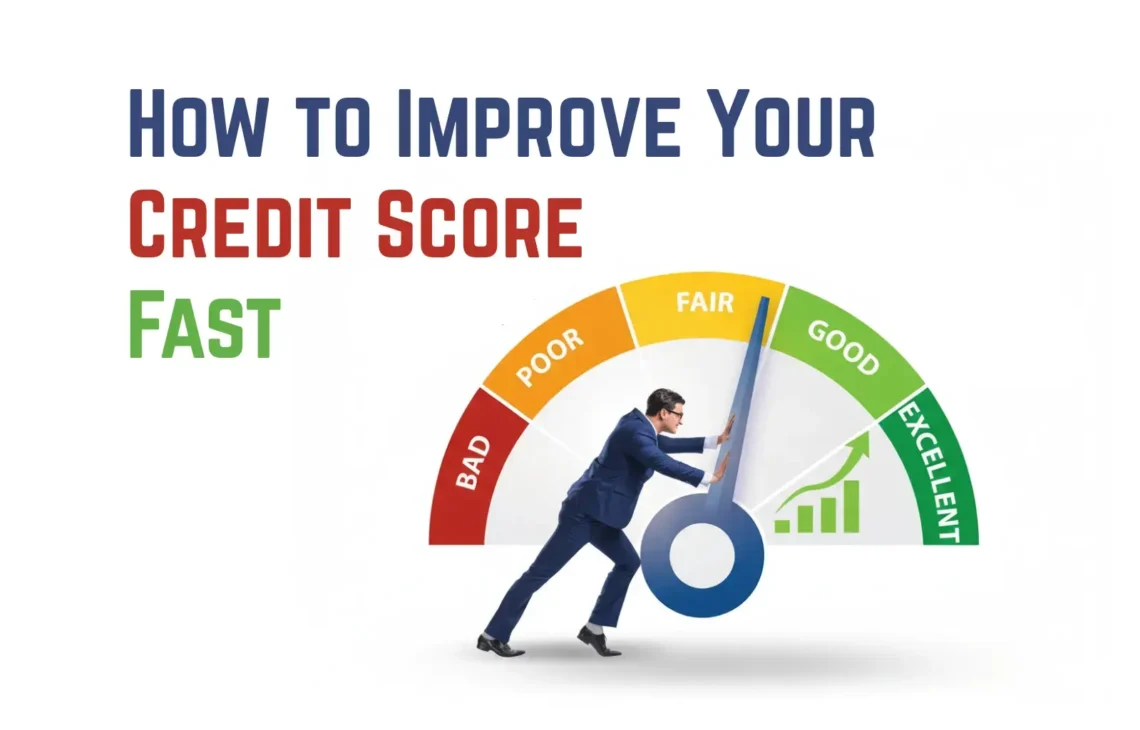
If you are tired of loan rejections and high interest rates, this guide reveals the hidden ‘hacks’ on how to improve your credit score fast to reach the elite 800+ club. From the ‘Statement Date Secret’ to the ‘Pay for Delete’ negotiation tactic, we break down the exact steps you need to take today to reclaim your financial freedom. Stop guessing and start building the credit rating you deserve by following our comprehensive roadmap below.
In the modern financial ecosystem, your credit score is your most valuable intangible asset. It is a numerical representation of your reliability as a borrower, acting as a gatekeeper to the world’s most lucrative financial opportunities. Whether you are looking to secure a mortgage for a dream home, obtain a low-interest auto loan, or access premium credit cards with travel rewards, your credit score dictates the terms of your engagement with lenders.
A low credit score can feel like a heavy anchor, dragging down your financial progress and forcing you to pay thousands of extra dollars in interest. However, a credit score is not a static figure; it is a dynamic reflection of your habits. If you are currently struggling with a subpar rating, the path to recovery is clearer than you think. This guide provides a comprehensive, step-by-step roadmap on how to improve your credit score fast and maintain an elite rating for life.
Understanding the Mechanics of Credit Score
To fix your score, you must first understand the “algorithm” that creates it. While different bureaus have proprietary models, most follow a standardized weighting system.
1. Payment History (35%)
This is the single most influential factor. It records every payment you make on credit cards, loans, and sometimes utility bills.
The Impact: A single 30-day late payment can drop an excellent credit score by 60 to 100 points instantly.
The Solution: Consistency is king. Automated payments are the best defense against accidental delinquency.
2. Credit Utilization Ratio (30%)
Utilization is the percentage of your total available credit that you are currently using.
The Math: If you have a total limit of $10,000 across all cards and you owe $3,000, your utilization is 30%.
The Goal: Lenders view high utilization as a sign of financial stress. To maximize your credit score, aim for under 10%.
3. Length of Credit History (15%)
This tracks the age of your oldest account, the age of your newest account, and the average age of all your accounts.
Why it Matters: A longer history gives lenders more data to prove you are a low-risk borrower.
Immediate Actions for a Fast Credit Score Boost
If you need to see a jump in your credit score within 30 to 60 days, focus on these high-impact “hacks.”
1. The “Azzero” (All Zero Except One) Method
Azzero is a sophisticated technique used by credit enthusiasts to squeeze every possible point out of the utilization category.
How to do it: Pay off all your credit card balances to $0 before the “statement closing date,” except for one card. On that one card, leave a small balance (less than 1% of the limit).
The Result: This shows the bureau that you are an active user of credit but that you are not dependent on it.
2. Dispute Errors and Inaccuracies
According to recent studies, nearly 25% of credit reports contain errors. These could be accounts that aren’t yours, late payments that were actually on time, or old debts that should have fallen off the report.
How to Audit Your Report: Download your report from the primary bureaus. Look for “Charge-offs” or “Collections” that you don’t recognize.
The Dispute Process: File a formal dispute online. The bureau has 30 days to investigate. If they cannot verify the debt, they must remove it, often resulting in an immediate 50-100 point jump.
3. Request a Credit Limit Increase
Utilization is a fraction. You can lower that fraction by increasing the denominator.
The Strategy: Call your credit card issuer and ask for a limit increase based on your current income.
The Benefit: If your limit goes from $5,000 to $10,000 and your balance stays at $1,000, your utilization drops from 20% to 10% overnight without you spending a single dollar.
Advanced “Credit Score Building” Techniques
1. The Authorized User Strategy (Credit Piggybacking)
If you have a thin file or a damaged history, you can “borrow” someone else’s good habits.
The Process: A family member with an old, perfectly managed credit card adds you as an “Authorized User.” You don’t even need to use the physical card.
The Result: That card’s entire history (years of on-time payments and a high limit) is added to your credit report. This is one of the fastest ways to build credit from scratch.
2. Dealing with Collections and “Pay for Delete”
If you have old debts in collections, simply paying them off doesn’t always help your score—the “collection” mark stays there.
The Negotiation: Contact the collection agency and offer to pay the debt in full only if they agree to a “Pay for Delete.” This means they will completely remove the negative mark from your report once paid.
Crucial Tip: Always get this agreement in writing before sending any money.
You May Read Also: 6 Ways Technology Is Disrupting Traditional Finance
Diversifying Your Credit Mix for Maximum Stability
Lenders do not just want to see that you can handle a credit card; they want to see how you manage various types of debt obligations. This is known as your “Credit Mix,” and it accounts for roughly 10% of your total score.
1. Revolving Credit vs. Installment Loans
Revolving Credit: These are accounts like credit cards or lines of credit where you have a set limit and can borrow against it repeatedly as you pay it back.
Installment Loans: These are loans with a fixed amount, fixed monthly payment (EMI), and a set term, such as an auto loan, student loan, or mortgage.
The Strategy: If your credit profile only consists of credit cards, adding a small installment loan—such as a credit-builder loan or a consumer durable loan—can provide a significant boost to your score by proving you can handle different repayment structures.
2. The Impact of Account Longevity
Your oldest credit card is your best friend in the world of finance.
Don’t Close Old Accounts: Even if you no longer use a specific card, closing it can hurt you in two ways: it reduces your total available credit (spiking utilization) and it lowers the “average age” of your accounts.
Keep it Active: To prevent the bank from closing the account due to inactivity, use the card for a small recurring subscription (like a $5 streaming service) and set it to auto-pay.
Managing Inquiries – Protecting Your Score from “Hard Hits”
Every time you apply for new credit, the lender performs what is known as a “Hard Inquiry.” Understanding the difference between inquiries is vital for protecting your rating.
1. Hard Inquiries vs. Soft Inquiries
Soft Inquiry: This occurs when you check your own credit score or when a company performs a background check for a pre-approved offer. This has zero impact on your credit score.
Hard Inquiry: This happens when you officially apply for a loan or credit card. A single hard inquiry can shave 5 to 10 points off your score temporarily.
The Strategy: Avoid “shotgunning” applications. Applying for five different credit cards in a single week signals “credit desperation” to the bureaus and can lead to a cascading drop in your score.
2. The Rate Shopping Strategy
Bureaus understand that consumers need to compare rates for major life purchases like a home or a vehicle.
The Window of Opportunity: If you are shopping for a mortgage or an auto loan, all inquiries made within a 14-to-45-day window are typically treated as a single inquiry. This allows you to find the best interest rates without destroying your credit score.
Long-Term Maintenance and Behavioral Finance
Building a high score is one thing; maintaining an “Elite” 800+ rating requires a shift in financial behavior.
1. The “Statement Date” vs. “Due Date” Secret
Most consumers pay their bills by the “Due Date.” However, by that time, the bank has already reported your high balance to the credit bureaus.
The Expert Hack: Identify your “Statement Closing Date” (usually 20-25 days before your due date). Pay your balance in full before this date. This ensures the bureau sees a 0% or 1% utilization, even if you spent thousands during the month.
2. Monitoring Tools and Fraud Prevention
In the digital age, identity theft is a major threat to credit health.
Action Plan: Use reputable credit monitoring services to receive real-time alerts. If you see an inquiry or an account you didn’t authorize, you can “freeze” your credit reports instantly to prevent further damage.
Credit Score Myths Debunked
Misinformation often prevents people from achieving their full financial potential. Let’s clear the air:
Myth 1: Using a Debit Card Builds Credit.
Fact: Debit cards pull from your own bank account. They do not involve borrowed money and therefore have no impact on your credit score.
Myth 2: Carrying a Balance Helps Your Score.
Fact: This is a costly mistake. You do not need to pay interest to have a good score. Paying in full every month is the best strategy.
Myth 3: A High Salary Guarantees a High Score.
Fact: You could earn $1 million a year, but if you forget to pay your bills, your score will be low. Credit is about reliability, not wealth.
The Global 10-Point Credit Score Checklist
Follow this checklist to ensure you remain “Loan Ready” at all times:
- Automate all minimum payments to avoid late fees.
- Maintain a credit utilization ratio below 10%.
- Audit your credit reports for errors at least twice a year.
- Keep your oldest accounts open and active.
- Diversify your portfolio with both revolving and installment credit.
- Request credit limit increases annually (without a hard pull).
- Negotiate “Pay for Delete” agreements for old derogatory marks.
- Space out new credit applications by at least six months.
- Monitor your credit daily through soft-inquiry apps.
- Pay your balances before the statement closing date.
Conclusion: Your Credit Score as a Wealth-Building Tool
Improving your credit score is not an overnight transformation, but it is a guaranteed outcome of disciplined financial habits. A high score is more than just a number; it represents lower insurance premiums, better rental opportunities, and the ability to leverage “other people’s money” to build your own wealth. By following this 2,000-word roadmap, you are taking the first step toward a future of financial flexibility and freedom.